
The rhythm of life: how music helps shape children
Music is far more than an extracurricular activity—it is a vital part of a
well-rounded education, fostering cognitive, emotional, and social growth. For primary schools in
Saudi Arabia integrating a
developing music program can transform school culture, enhance academic performance, and support children’s mental health.
In November 2024, Saudi Arabia’s Ministry of Education decided to employ 1,000 music teachers as part of the
”Musical Culture” initiative. While music education has gained interest in recent years, music education in schools was limited. However, after exploring all the benefits, it was decided music education wasn’t a luxury. It was a necessity to develop the educational curriculum.
Cognitive Benefits: Boosting Brain Development and Academic Success
Research shows that music accelerates brain development, improving memory, focus, and problem-solving skills. In many international schools, structured music lessons enhance literacy and mathematical abilities by strengthening neural pathways. Even basic activities like clapping rhythms or singing songs sharpen auditory processing, helping children excel in core subjects while fostering creativity and critical thinking.
Emotional Wellbeing: Reducing Stress and Building Resilience
Music provides a safe outlet for emotional expression, helping children manage anxiety and stress. Singing, drumming, or composing melodies encourages mindfulness, regulating mood and improving self-esteem. Schools in
Jeddah that incorporate music see pupils develop greater emotional resilience, empathy, and confidence—key traits for lifelong mental health.
Social Skills: Fostering Teamwork and Inclusivity
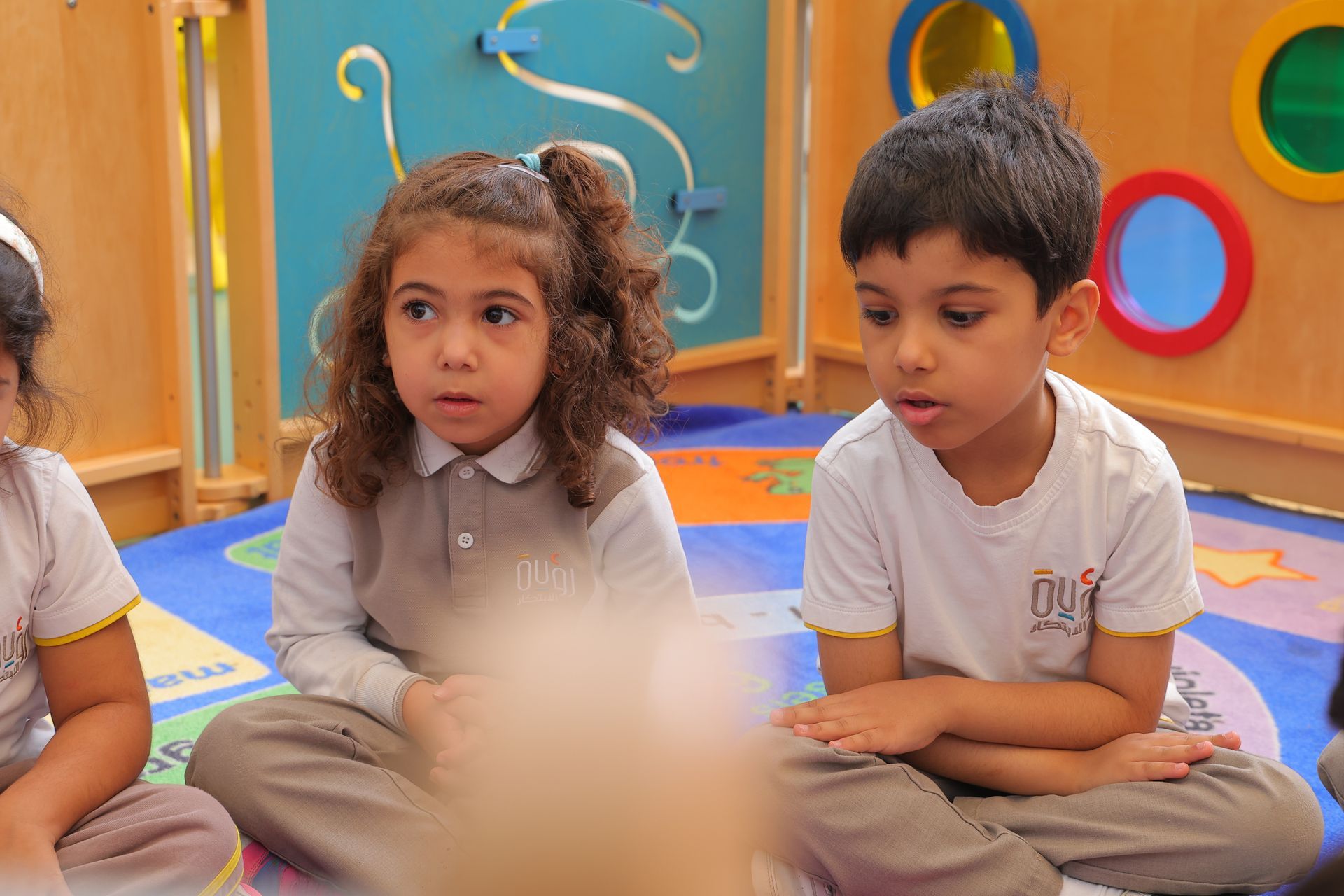
Group music activities, such as choir or ensemble performances, teach collaboration and communication. A
developing music program helps shy children participate, strengthening social bonds. In Saudi Arabia, where community values are essential,
music builds unity and respect, creating a positive, inclusive school environment.
Music Therapy as a Positive Intervention
Music therapy is highlighted as a promising intervention for
addressing bullying, offering a creative and expressive form of therapy. It facilitates emotional expression, communication, and socialisation. Activities like playing instruments, songwriting, and improvisation can develop emotional intelligence, social skills, and decision-making abilities, equipping victims with coping strategies and promoting empathy in both victims and perpetrators.
Programmes such as "Don't Laugh at Me" utilise music, video, and instructional activities to help students recognise intolerance, understand differences as positive, develop compassion for others, and learn that teasing, name-calling, exclusion, and ridicule are unacceptable, directly addressing bullying behaviours
Cultural Appreciation: Connecting Heritage with Global Sounds
Music bridges cultural gaps, allowing students to explore both local traditions and global melodies. The initiative introduced by Saudi in 2024 will focus on blending traditional and global music. The
best primary school programmes, like
Royat Al-Ebtikar International School, already incorporate Saudi folk music alongside international styles, nurturing
cultural appreciation
while fostering pride in national heritage. This balance prepares children for a diverse, interconnected world.
Physical Development: Enhancing Motor Skills and Coordination
Playing instruments improves fine motor skills, while dancing and rhythmic movement support gross motor development. Music also benefits physical health by reducing stress, improving posture, and even strengthening lung capacity—particularly for wind instrument players.
Conclusion: Music as a Cornerstone of Holistic Education
A strong
developing music program is essential for all
best primary schools or
best international schools. It nurtures cognitive growth, emotional resilience, social skills, and
cultural appreciation, creating a
well-rounded education. For schools in Saudi Arabia, embracing music means investing in happier, healthier, and more successful students.
By prioritising music, educators can cultivate a thriving school culture where every child flourishes—academically, emotionally, and socially.
For more information about the importance of music education, please visit some of the links below.